Introduction
The evaporator is one of the most critical components in any cold room, freezer room, or cold storage cooling system. It plays a direct role in removing heat from the storage area and maintaining the required temperature for food, beverages, medicines, raw materials, and other temperature-sensitive products.
A properly selected cold room evaporator helps maintain stable cooling, improves energy efficiency, protects stored products, and reduces pressure on the overall refrigeration system. On the other hand, choosing the wrong evaporator can lead to poor temperature control, uneven cooling, high electricity consumption, ice buildup, and frequent maintenance issues.
For businesses such as restaurants, supermarkets, warehouses, food factories, central kitchens, and pharmaceutical storage facilities, understanding how evaporators work can help in choosing a reliable and efficient cold room solution.
What Is a Cold Room Evaporator?
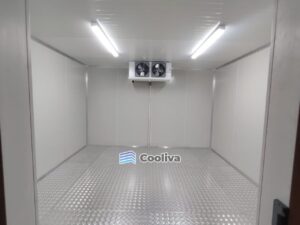
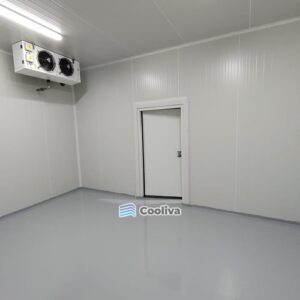
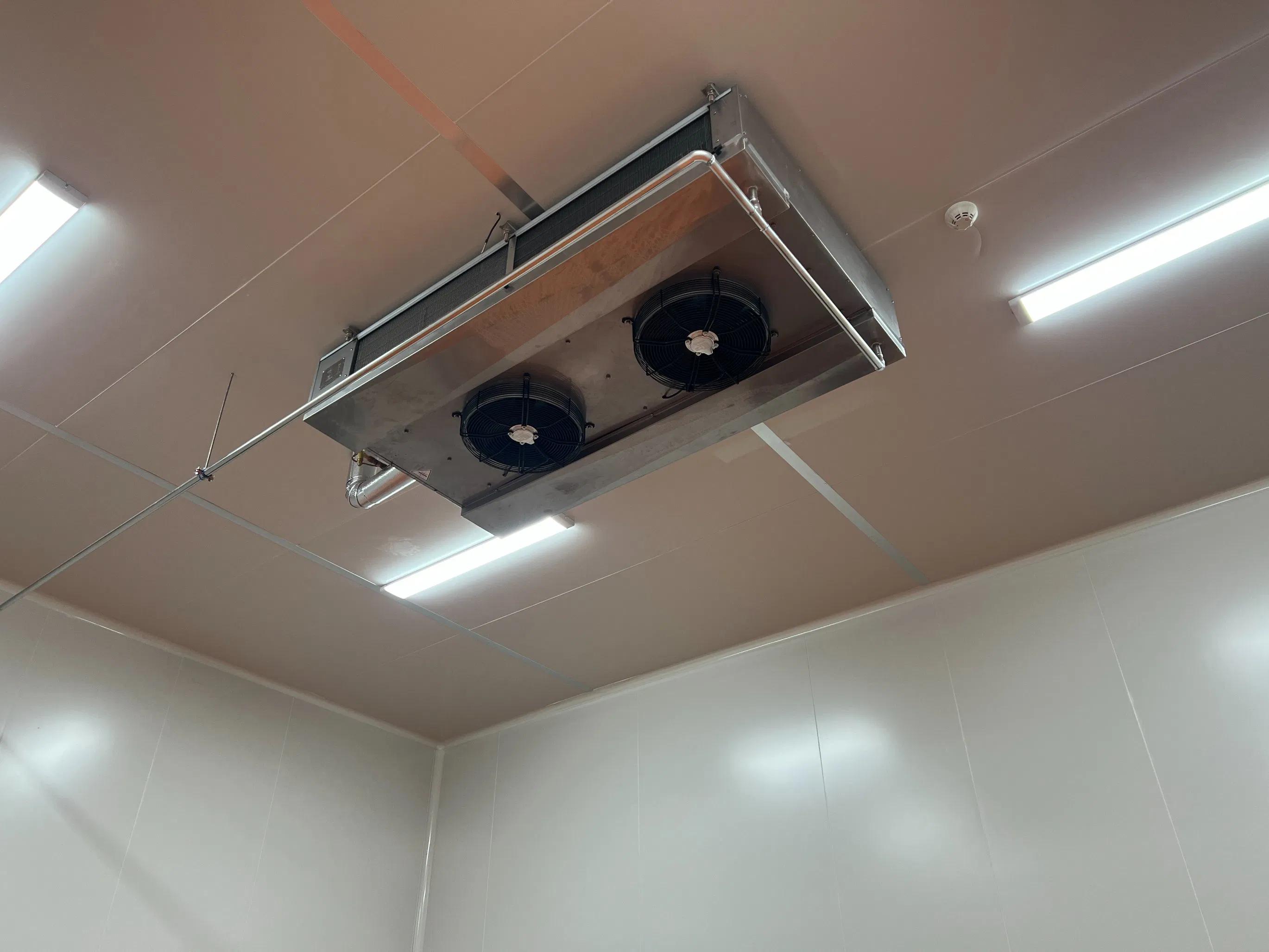
A cold room evaporator is the indoor cooling unit installed inside a cold room or freezer room. Its main function is to absorb heat from the room and transfer it to the refrigeration system.
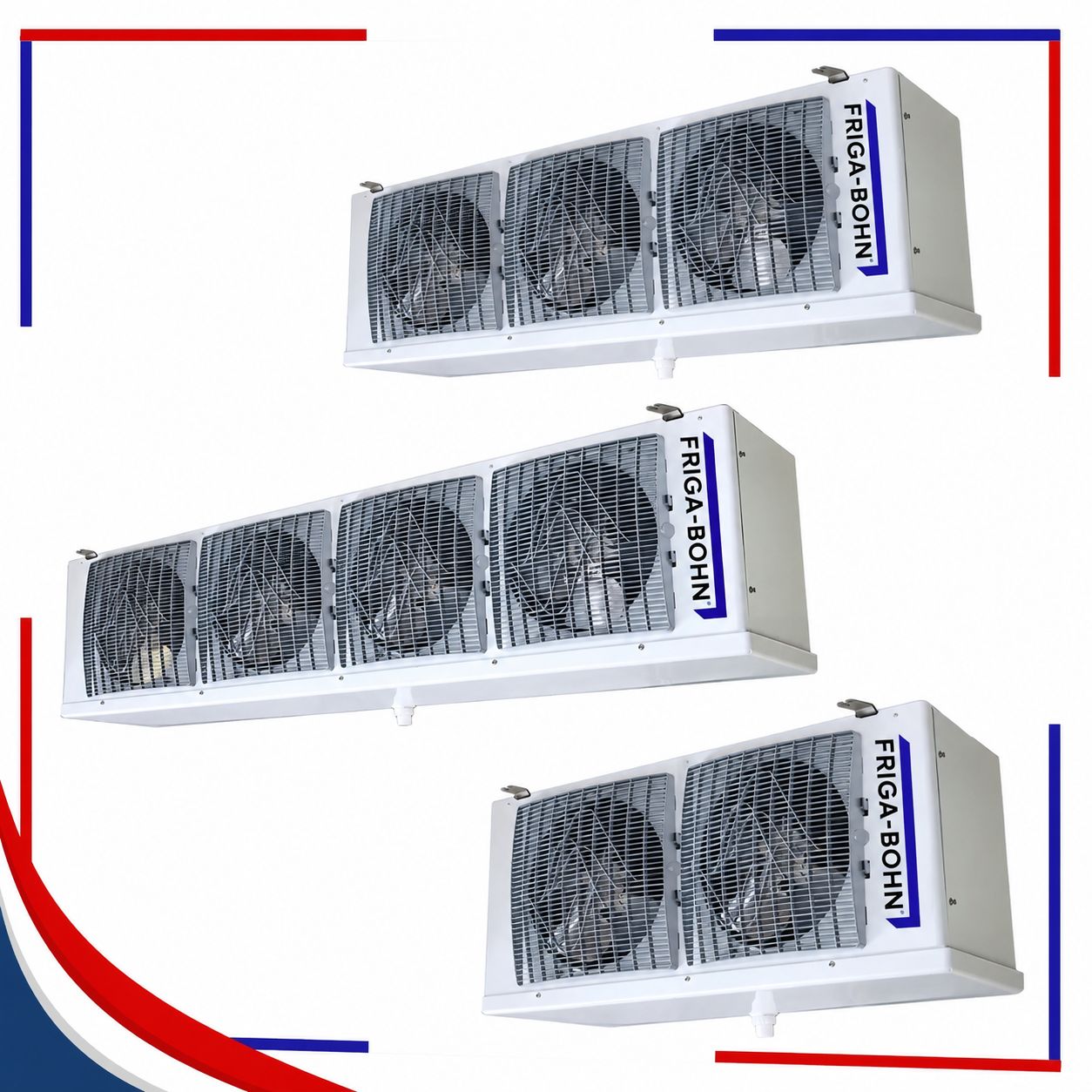
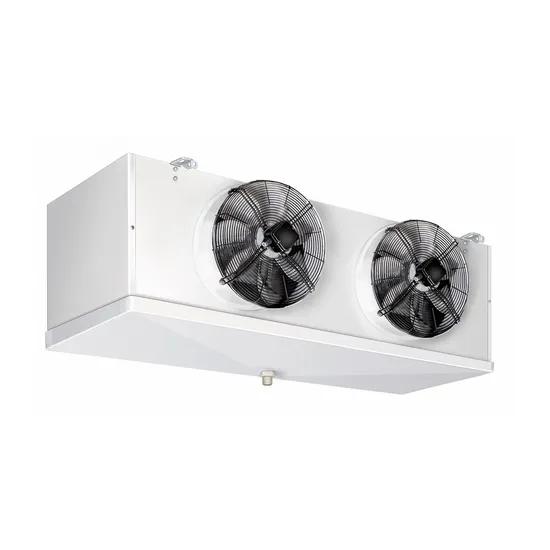
The evaporator usually consists of:
- Cooling coils
- Fans
- Refrigerant tubes
- Drain tray
- Defrost system, especially in freezer rooms
- Protective casing
When the refrigeration system operates, cold refrigerant passes through the evaporator coil. The fans pull warm air from the cold room, pass it over the coil, and then circulate cooled air back into the storage space.
This continuous process keeps the cold room at the required temperature.
How Does an Evaporator Work?
The evaporator works as part of a complete refrigeration cycle. In simple terms, it removes heat from the cold room and allows the refrigeration system to release that heat outside.
Here is how the process works:
- Warm air inside the cold room is pulled toward the evaporator by fans.
- The air passes over the evaporator coil.
- The refrigerant inside the coil absorbs heat from the air.
- The cooled air is pushed back into the cold room.
- The absorbed heat is carried away through the refrigeration system.
- The cycle continues until the room reaches and maintains the required temperature.
This is why the evaporator is not just a cooling unit. It is responsible for air movement, temperature balance, and cooling performance inside the cold room.
Difference Between Refrigeration and Freezing Evaporators
Not all evaporators are the same. A cold room used for chilled storage requires a different evaporator setup compared to a freezer room.
Refrigeration Evaporators
Refrigeration evaporators are used in chiller rooms where the temperature is usually above freezing point. These are commonly used for:
- Fruits and vegetables
- Dairy products
- Beverages
- Fresh food
- Restaurants and cafés
- Supermarkets and grocery stores
These evaporators are designed to maintain stable cooling without freezing the products.
Freezer Room Evaporators
Freezer room evaporators are designed for low-temperature applications, often below 0°C. They are commonly used for:
- Frozen meat
- Poultry
- Seafood
- Frozen food products
- Ice cream
- Long-term frozen storage
Freezer room evaporators usually require stronger defrost systems because ice can build up on the coil during operation. If defrosting is not properly managed, airflow will reduce and cooling performance will drop.
Choosing between a chiller evaporator and a freezer evaporator depends on the product type, storage temperature, room size, operating hours, and loading frequency.
Why Proper Air Circulation Is Important
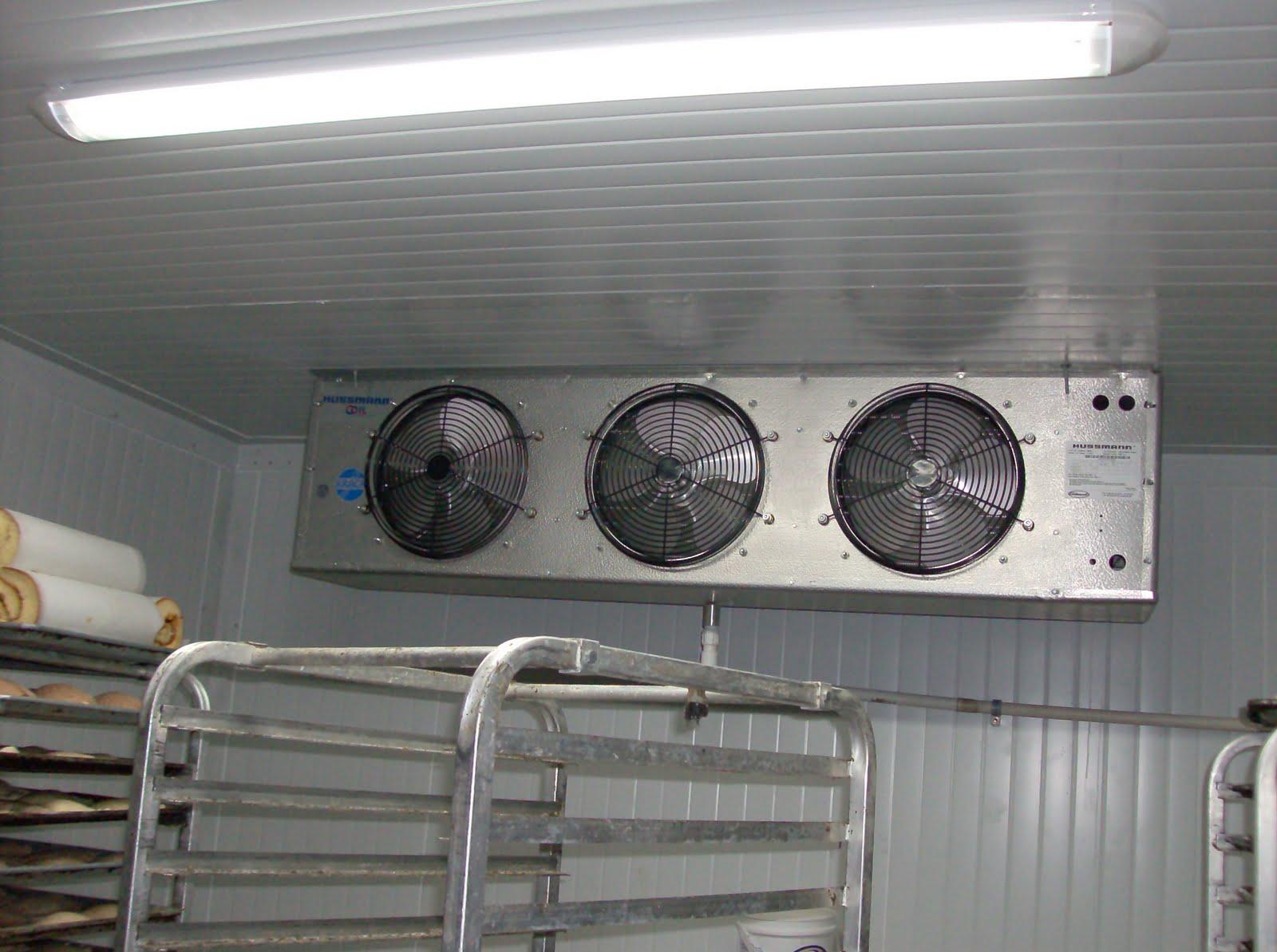
Air circulation is one of the most important factors in cold room performance. Even if the refrigeration unit is powerful, poor air movement can cause temperature variation inside the room.
Good air circulation helps to:
- Maintain even temperature across the room
- Prevent hot spots and cold spots
- Protect product quality
- Reduce compressor workload
- Improve energy efficiency
- Minimize ice buildup
- Support faster cooling after door openings
If air is blocked by poor product stacking, incorrect evaporator placement, or unsuitable fan capacity, the cold room may not perform properly.
For this reason, evaporator placement and airflow direction should always be considered during cold room design and installation.
Common Evaporator Selection Mistakes
Selecting the right industrial refrigeration evaporator requires proper calculation and planning. Many cold room issues happen because the evaporator was selected without considering the real operating conditions.
Common mistakes include:
1. Choosing Based Only on Room Size
Room size is important, but it is not the only factor. Product type, temperature requirement, door opening frequency, insulation quality, and loading volume also affect cooling demand.
2. Ignoring Product Load
A cold room storing pre-chilled products will need a different cooling capacity compared to a room receiving warm products daily.
3. Poor Evaporator Placement
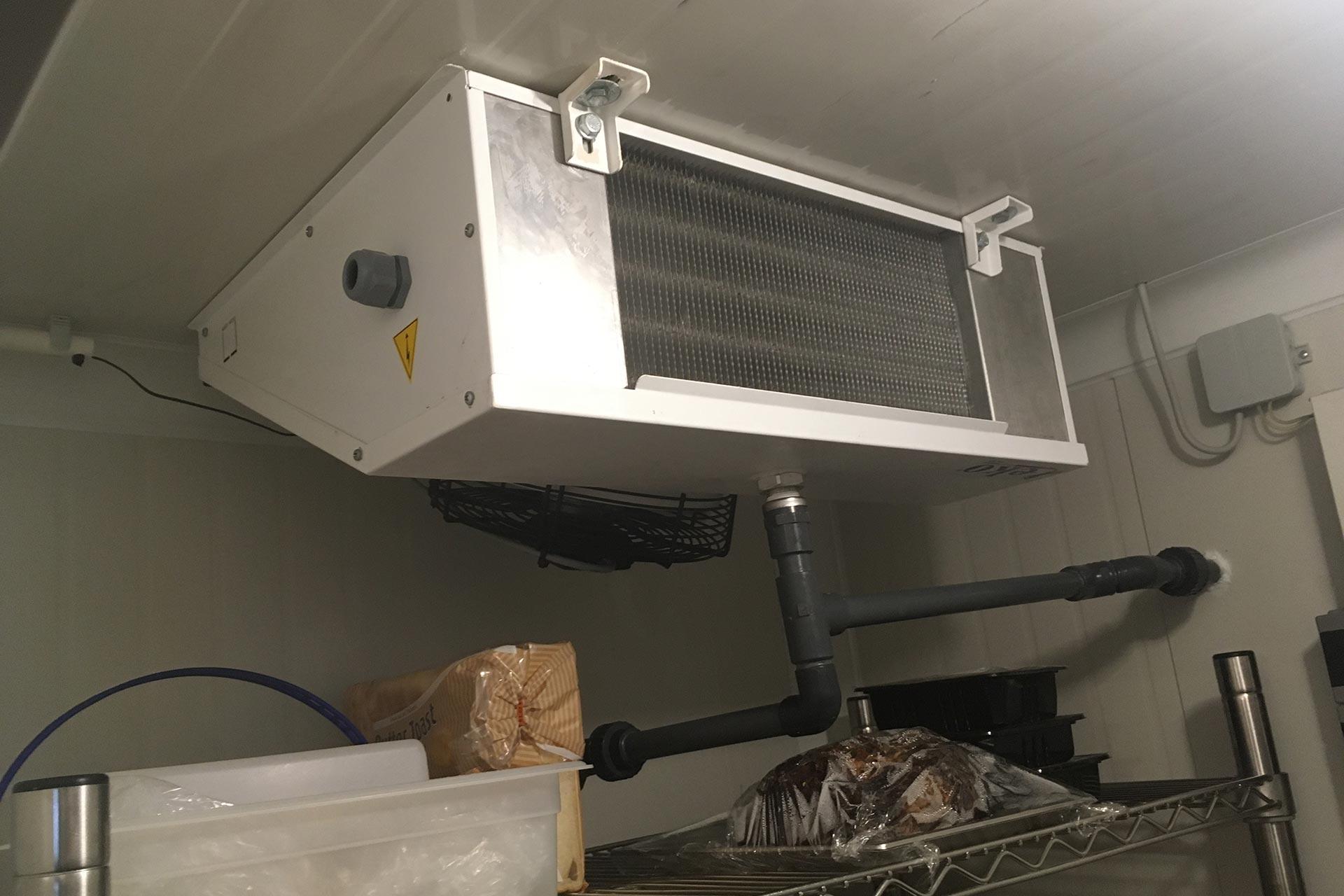
If the evaporator is installed in the wrong location, airflow may not reach all parts of the room. This can create uneven cooling and product damage.
4. Undersized Evaporator
An undersized evaporator may run continuously but still fail to maintain the required temperature. This increases energy use and puts stress on the compressor.
5. Oversized Evaporator
An oversized evaporator may cool too quickly in some areas while causing poor humidity control, short cycling, and unnecessary energy consumption.
6. Ignoring Defrost Requirements
For freezer rooms, defrost design is very important. Without proper defrosting, ice buildup can block airflow and reduce cooling efficiency.
7. Not Considering Maintenance Access
Evaporators should be installed in a position where technicians can inspect, clean, and service them safely and easily.
Signs That an Evaporator Is Undersized
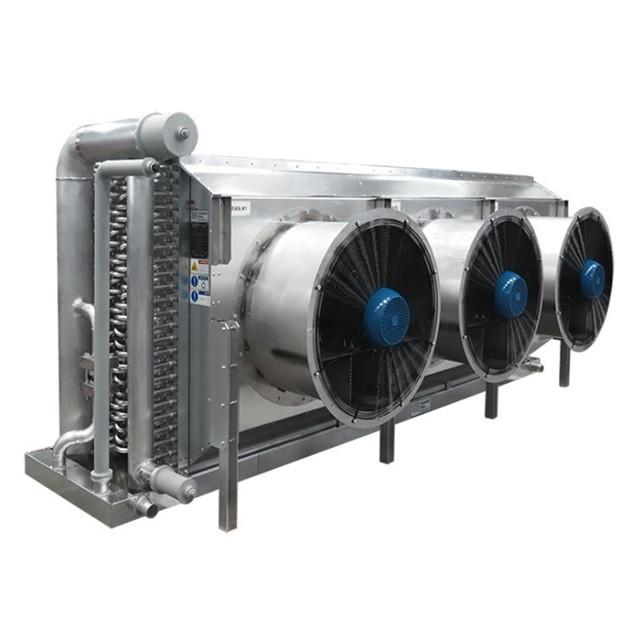
An undersized cold room evaporator cannot remove enough heat from the room. This can affect cooling performance and product safety.
Common signs include:
- Cold room temperature does not reach the required level
- Compressor runs for long periods
- Products take too long to cool
- Temperature rises quickly after door openings
- Uneven cooling inside the room
- Higher electricity consumption
- Frequent system breakdowns
If these problems continue, the refrigeration system should be inspected by a qualified cold room technician.
Signs That an Evaporator Is Oversized
Bigger is not always better. An oversized evaporator can also create operational problems.
Common signs include:
- Short cooling cycles
- Unstable temperature control
- Excessive air movement
- Product drying in chilled rooms
- Poor humidity balance
- Higher initial cost
- Inefficient system operation
The right evaporator should be selected based on actual cooling load, not guesswork.
Maintenance Tips for Longer Evaporator Service Life
Regular maintenance helps keep the evaporator efficient and extends the life of the cold storage cooling system.
Here are some important maintenance tips:
1. Clean the Evaporator Coil
Dust, dirt, and ice buildup reduce heat transfer. The coil should be cleaned regularly based on usage and environment.
2. Check Fan Operation
Evaporator fans must operate properly to maintain air circulation. Damaged or weak fans should be repaired or replaced.
3. Inspect for Ice Buildup
Excessive ice on the coil can block airflow. This may indicate a defrost issue, door leakage, humidity problem, or system imbalance.
4. Keep Airflow Clear
Products should not be stacked directly in front of the evaporator. Proper spacing is needed for smooth air movement.
5. Check Drain Lines
Blocked drain lines can cause water leakage, ice formation, and hygiene issues inside the cold room.
6. Inspect Defrost System
For freezer rooms, the defrost heaters, timers, sensors, and controls should be checked regularly.
7. Schedule Professional Maintenance
Cold rooms used for food, pharmaceutical, and industrial storage should be maintained by experienced refrigeration technicians to avoid unexpected breakdowns.
How to Choose the Right Evaporator for Your Cold Room
To choose the right cold room evaporator, businesses should consider:
- Cold room size
- Required temperature
- Type of stored products
- Product loading temperature
- Daily loading quantity
- Door opening frequency
- Chiller or freezer application
- Humidity requirement
- Airflow pattern
- Defrost requirement
- Installation location
- Maintenance access
- Energy efficiency
A professional cold room supplier will calculate the cooling load and recommend a suitable evaporator based on actual project requirements.
Why Work With Cooliva?
At Cooliva, we provide cold room solutions designed for reliable temperature control, efficient operation, and long-term performance. Our team supports businesses with cold room design, installation, freezer room solutions, walk-in chillers, walk-in freezers, cold storage rooms, and maintenance support.
Whether you need a cold room evaporator for a restaurant, supermarket, warehouse, central kitchen, food distribution facility, or industrial cold storage project, Cooliva can help you choose the right solution based on your business needs.
Conclusion
The evaporator is the heart of the cooling process inside a cold room or freezer room. Choosing the right evaporator improves temperature stability, protects stored products, reduces energy waste, and supports the overall life of the refrigeration system.
Before selecting a cold room evaporator, businesses should consider room size, temperature requirements, product type, airflow, defrost needs, and maintenance access. A properly designed cold storage cooling system delivers better performance, fewer breakdowns, and greater peace of mind.
If you are planning a new cold room, freezer room, or industrial refrigeration project in Saudi Arabia, Cooliva can help you design and install the right cooling solution for your business.